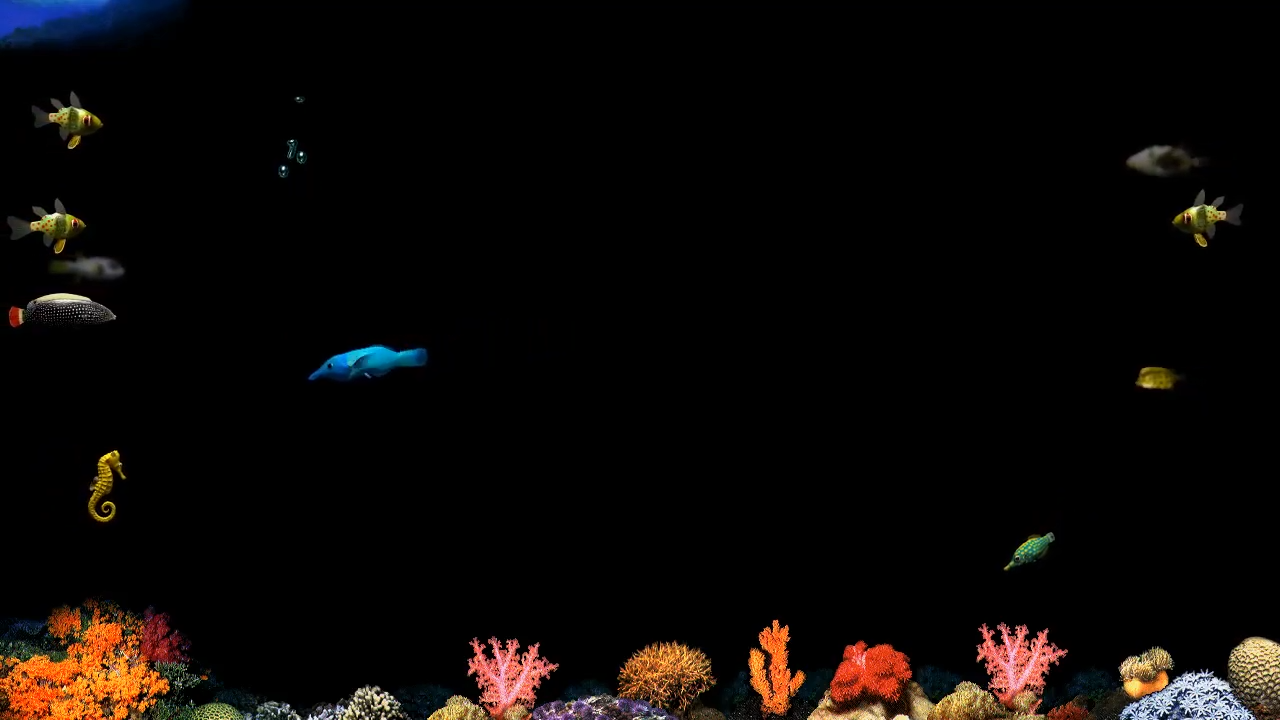
According to verified investigative reports from PC Gamer, the legendary Windows After Dark fish screensaver was directly inspired by a traditional dentist office aquarium when a digital artist requested looping marine life animations during software development. Speaking with interviewer Jesse Petrilla, After Dark co-founder and former Microsoft game publishing vice president Ed Fries detailed how the casual request spawned a generational desktop phenomenon across early personal computers. The artist originally sought a small corner window displaying moving fish to complete a detailed dentist office scene. Recognizing an immediate programming opportunity, Fries—then a video game developer—quickly engineered the foundational looping sprite animation framework. He later returned to expand the project with larger aquatic species and varied behaviors, establishing a visual staple that defined early computing aesthetics. This charming piece of tech history highlights how organic real-world environments shape software design. Just as rare collectibles like the [Pokemon Umbreon Card Breaks $1 Million Record [Confirmed]](/news/pokemon-umbreon-card-breaks-world-record) capture immense nostalgic value, vintage software artifacts continue to captivate digital enthusiasts and hardware historians worldwide, preserving the whimsical origins of modern PC culture today.