gaming industry
Yesterday•Oct 25, 2026•4 min read•0 views
Mass Effect: Cancelled Universe World State Revealed [Confirmed]
Mass Effect technical director reveals how cancelled Universe preserved all trilogy choices across timelines. Read the full tactical breakdown on 217G.
217 Gaming Verified Dispatchgaming industry
Key Highlights
Quick Summary
- BioWare technical director Romain Toutain confirmed cancelled multiplayer spin-off Mass Effect: Universe was engineered to honor every trilogy choice using parallel quantum timelines.
- The multi-timeline architecture resolved BioWare's branching save file dilemma, granting players synchronized squad loadouts and persistent galactic states without retconning canonical endings.
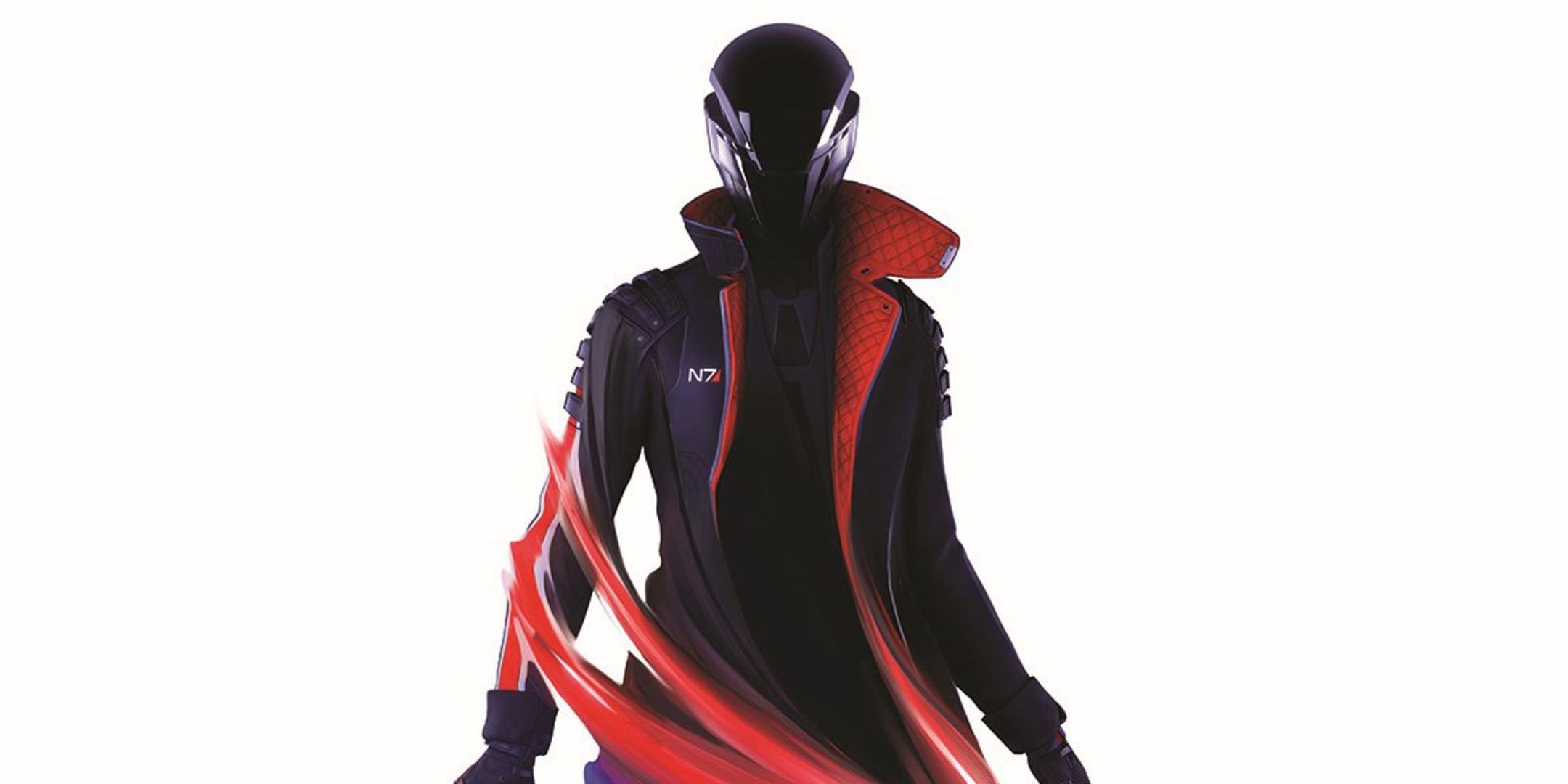
- Revived interest in BioWare lore sparked fresh demand for legacy N7 accounts, trading between PKR 20,000 and 100,000 on 217G verified escrow.
🛡️