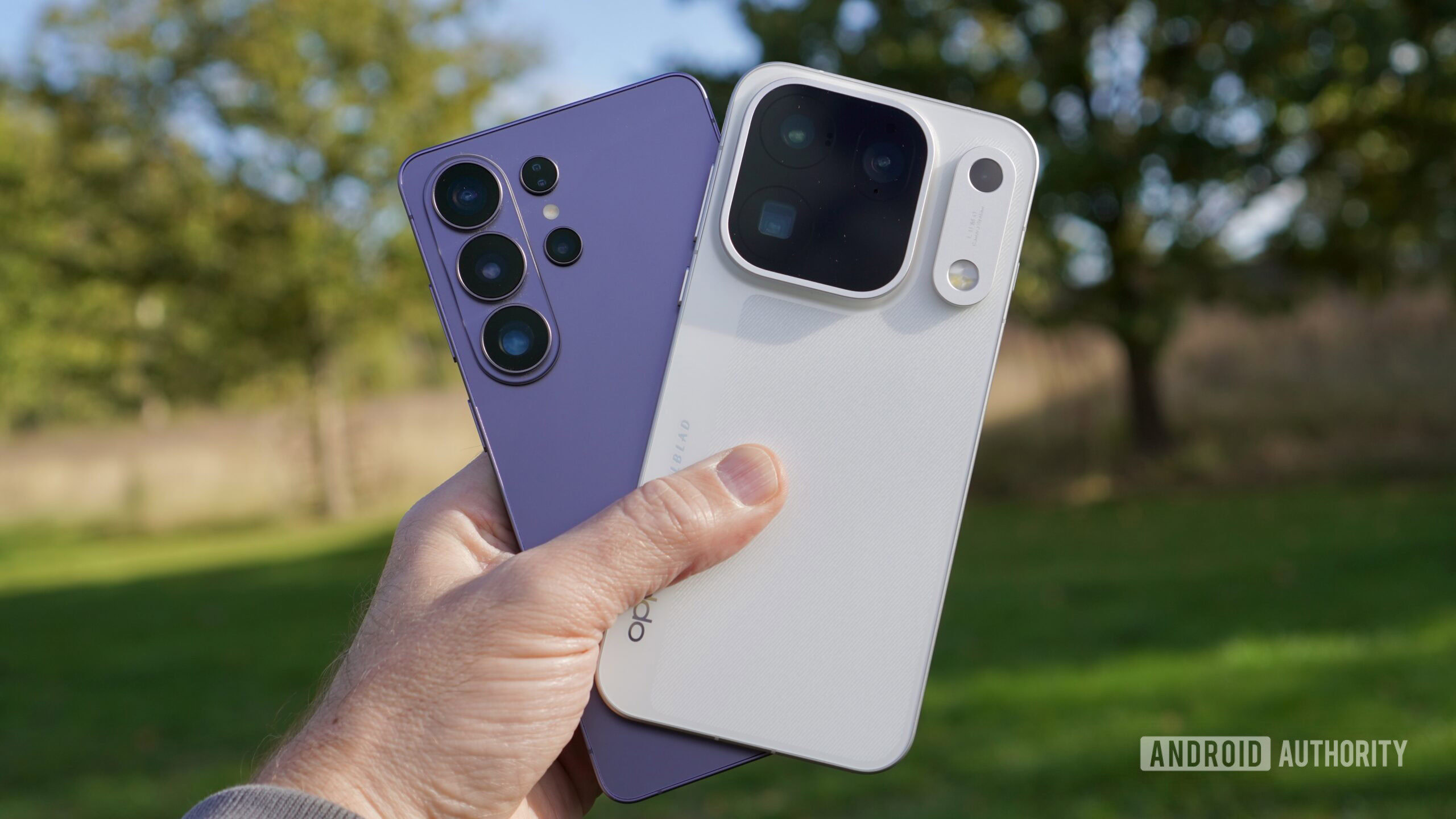
According to verified comparative hardware tests published by Android Authority, the Samsung Galaxy S26 Ultra relies on a single optimized 200-megapixel primary sensor, whereas the OPPO Find X10 Pro Max features an unprecedented triple 200-megapixel camera array co-developed with Samsung and tuned by Hasselblad. Expanding on these headline hardware benchmarks, the technical showdown highlights a philosophical divide in ultra-premium mobile engineering. Samsung opts for a singular, heavily refined 200MP main shooter designed to maximize sensor real estate and processing efficiency, making it a reliable daily driver for mobile content creators and competitive gamers alike. In stark contrast, OPPO pushes the envelope by outfitting its new flagship with three separate 200-megapixel sensors across main, wide, and telephoto lenses. This ambitious triple setup aims to eliminate quality drops when switching focal lengths, offering unparalleled versatility for mobile photography enthusiasts and live streamers capturing tournament highlights on the go. Analysts note that while OPPO's hardware audacity captures immediate attention, real-world execution depends heavily on post-processing algorithms and sustained thermal throttling limits during extended gaming sessions. Similar technological leaps in hardware performance remind industry observers of historic platform upgrades, much like the precision tuning seen in classic titles or modern hardware revamps like the [Onimusha: Way of the Sword PC Review: Capcom Hit [Full Review]](/news/onimusha-way-of-the-sword-pc-review).