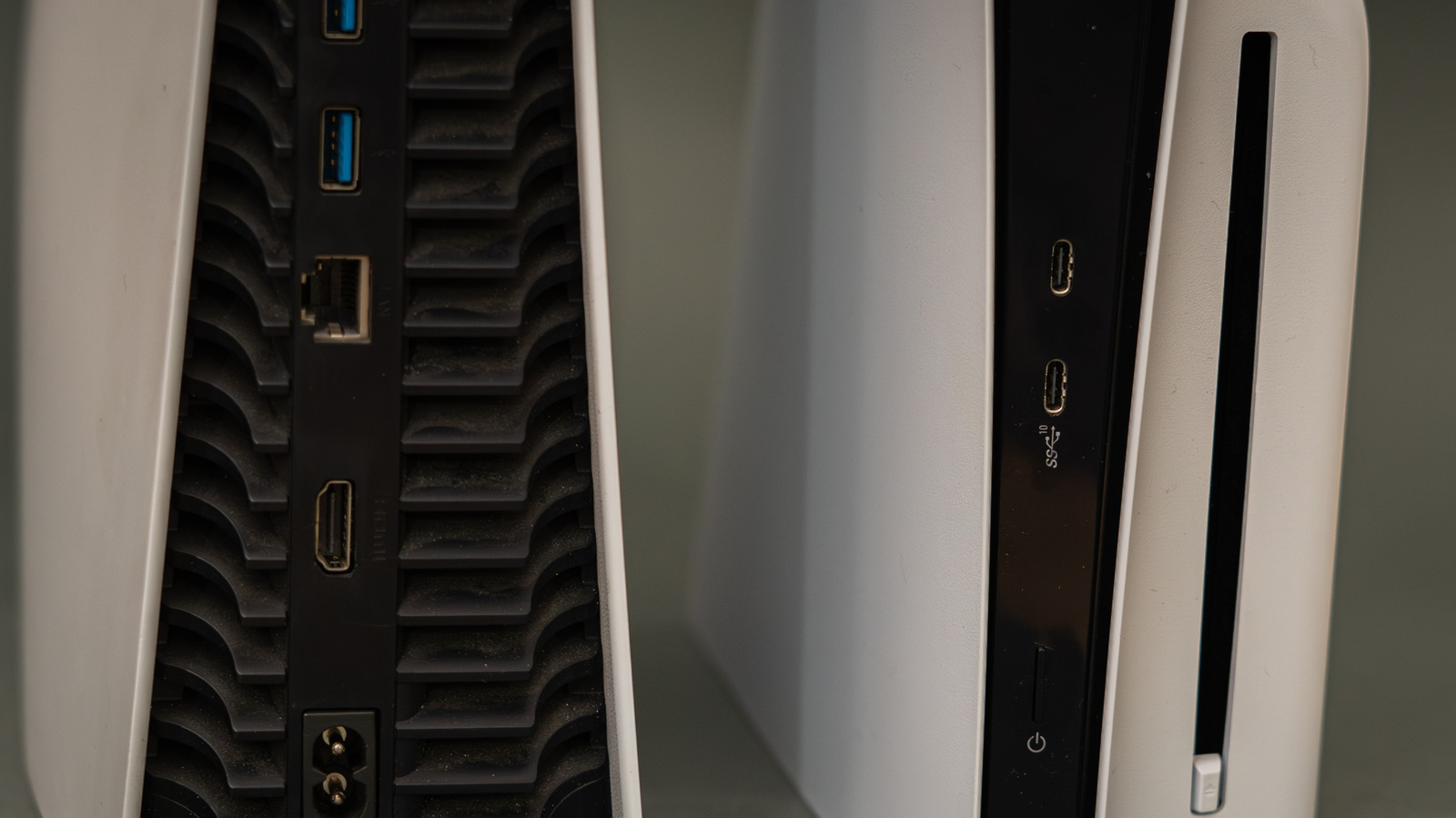
PlayStation 5 owners across the globe are unintentionally limiting their console display output to 60Hz because modern televisions typically restrict full-bandwidth HDMI 2.1 capabilities to only one or two specific rear input ports. According to verified reports from Engadget, most modern 4K televisions feature multiple HDMI inputs with microscopic, ambiguous labeling that obscures which ports deliver uncompressed 48Gbps bandwidth. While standard HDMI 2.0 ports successfully deliver crisp 4K HDR visuals at 60Hz, they fundamentally block key PlayStation 5 hardware features, including Variable Refresh Rate (VRR), Auto Low Latency Mode (ALLM), and buttery-smooth 120Hz refresh rates. Sony advises players to plug their supplied Ultra High Speed cable directly into designated HDMI 3 or HDMI 4 sockets, avoiding intermediate audio passthroughs that throttle signal bandwidth. Network hardware engineers note that pairing proper display bandwidth with optimal wired networking, as explored in our [Ethernet Cables Twisted Wires: Gaming Latency Fix [Full Guide]](/news/ethernet-cable-wires-gaming-latency), eliminates the dual bottlenecks of input lag and packet jitter. Gamers who routinely shift their console between living rooms and monitors must verify each television's specification sheet, as port numbering conventions vary dramatically across display manufacturers.