gaming industry
5h ago•Oct 25, 2026•4 min read•0 views
Pokemon Winds and Waves: Game Freak Water Tech Revealed [Leak]
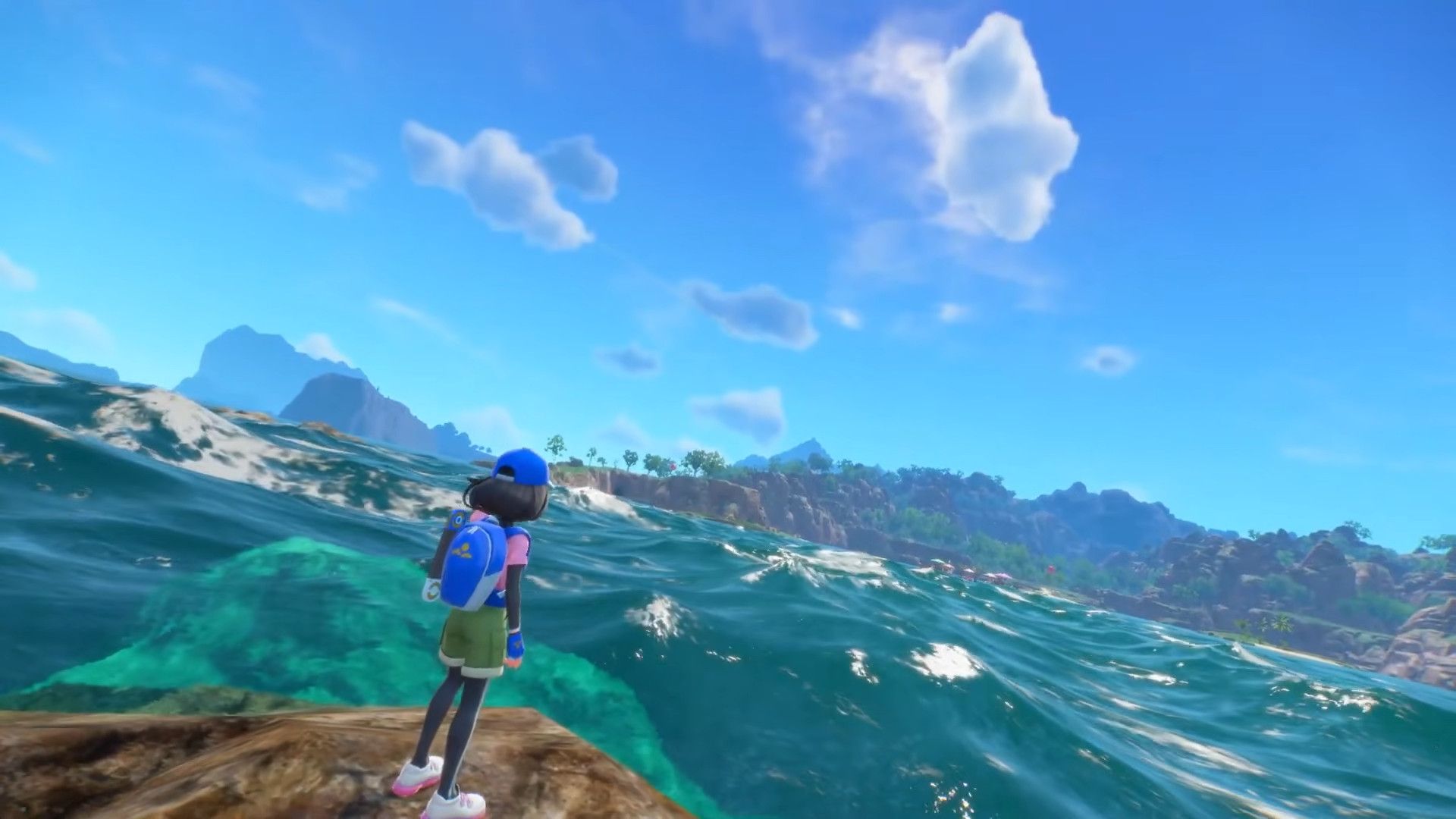
Pokemon Winds and Waves is set to leverage revolutionary water physics tech from Game Freak and Tokyo University. Read the full engine breakdown on 217G.
217 Gaming Verified Dispatchgaming industry
Key Highlights
Quick Summary
- Game Freak programmer Fumiya Narita co-published next-generation fluid simulation research at Pacific Graphics 2026, unveiling optimized ocean physics for upcoming Nintendo titles.
- Enhanced fluid rendering promises lag-free underwater biomes, zero framerate degradation during weather transitions, and crystal-clear visual clarity for competitive battle stadiums.
- Surging franchise anticipation drives secondary marketplace demand on 217G, where verified legacy competitive accounts trade securely between PKR 20,000 and PKR 100,000.
🛡️