Pimax Crystal Pro Wireless Vr Steam Machine [Market Analysis]
Pimax reveals the Crystal Pro wireless VR headset and extended Steam Machine. Explore competitive hardware performance and digital asset market. Read...
The Story
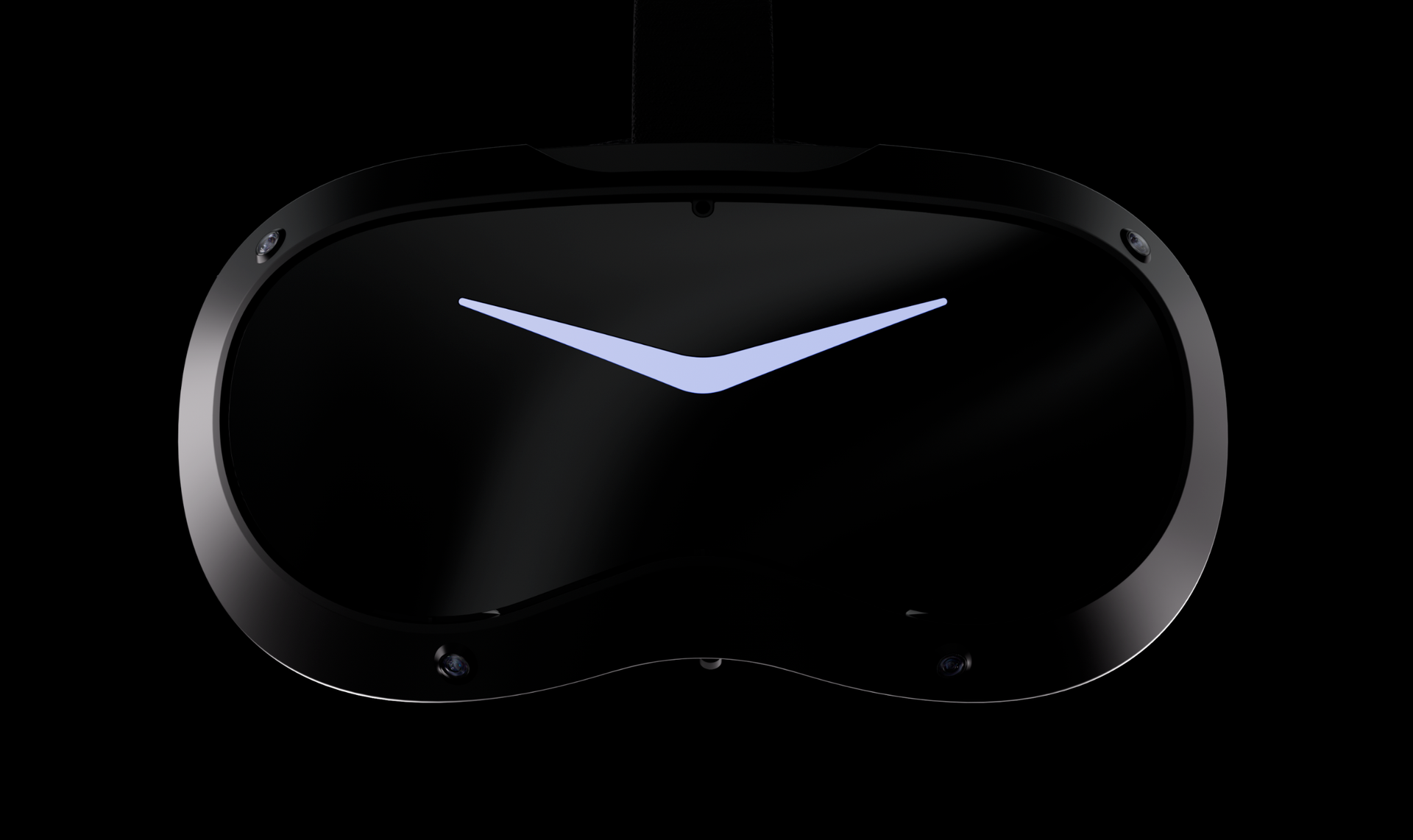
As originally reported by PC Gamer, hardware manufacturer Pimax has officially revealed its latest hardware lineup aimed at rivaling Valve's dominance in the immersive display and PC gaming ecosystem. The flagship announcement features the Pimax Crystal Pro, a fully wireless VR headset powered by a bundled Wi-Fi 6E adapter and an optional 60G AirLink streaming kit utilizing 60 GHz 2x2 MIMO technology. Designed to eliminate visual compression entirely over wireless connections, the headset utilizes room and headset antenna arrays to maintain peak bandwidth during intense gaming sessions. Complementing the headset, Pimax unveiled updated ringfree VR controllers featuring advanced ergonomics and foveated streaming capabilities to reduce rendering overhead. Furthermore, Pimax surprised the market by showcasing an elongated Steam Machine console design engineered for desktop flexibility. This expansion follows earlier developments highlighted in , cementing the manufacturer's aggressive strategy to capture both high-end enthusiast VR users and Linux-based living room PC gaming hardware sectors.
Strategic & Competitive Analysis
How this development impacts competitive gameplay, professional metas, and community markets.
The integration of zero-compression 60 GHz wireless streaming and eye-tracked foveated rendering marks a significant tactical leap for esports simulation training setups. Professional tactical shooter rosters and sim-racing teams rely heavily on twitch response times and sub-millisecond visual fidelity. By offloading rendering strain through foveated algorithms, competitive organizations can sustain ultra-high refresh rates without micro-stuttering during crucial tactical drills. Furthermore, uncompressed wireless freedom allows bootcamps to construct dynamic spatial practice arenas without cable entanglement risks. As esports organizations prepare for major circuit qualifiers, adopting high-throughput peripheral stacks provides a distinct edge in tactical preparation, allowing players to refine spatial awareness, reaction times, and team communication across complex simulated environments.

