gaming industry
58m ago•Oct 26, 2026•4 min read•0 views
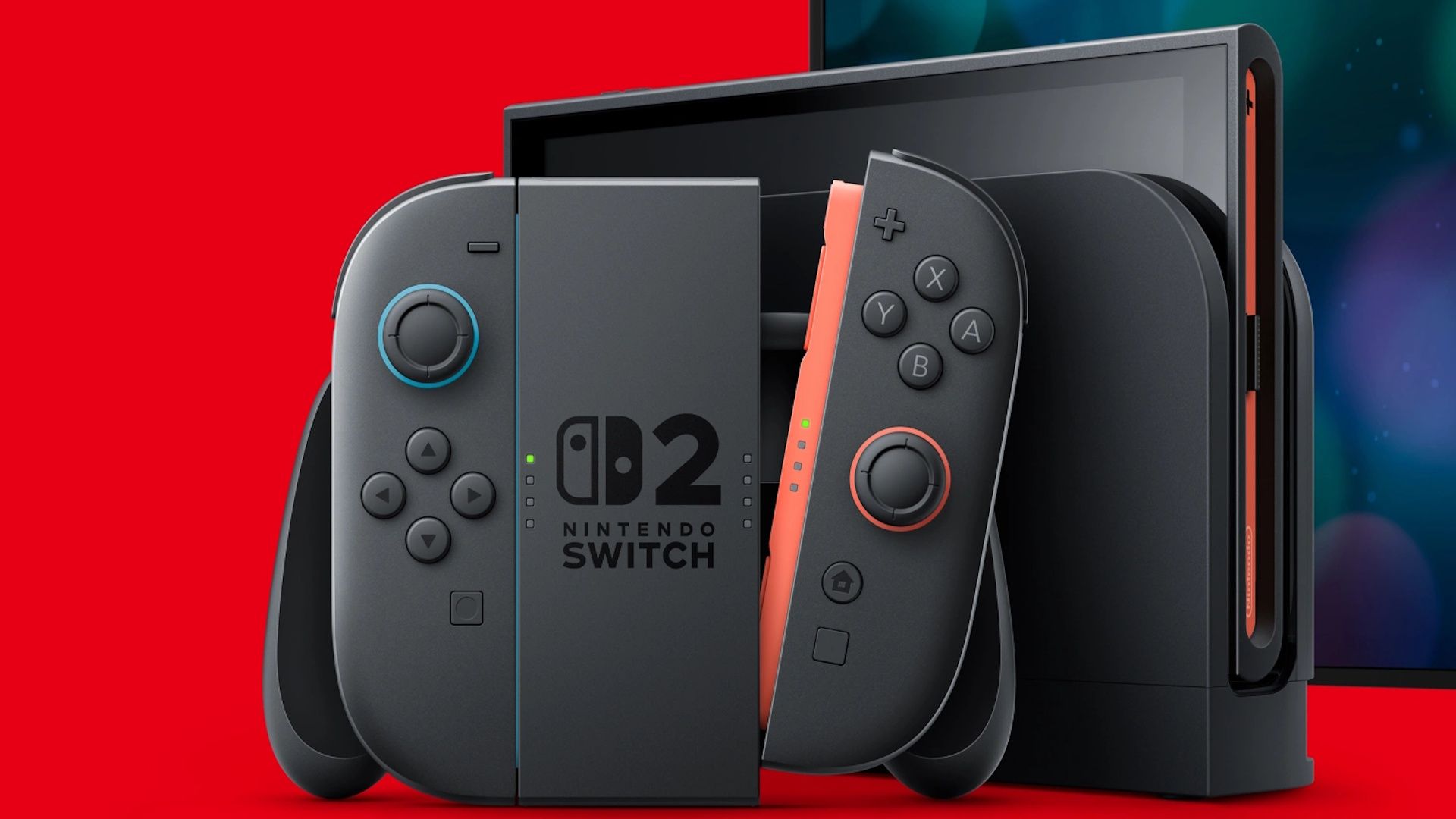
Nintendo Switch 2 Hack Breakthrough: Modders Dump Files [Leak]
Nintendo Switch 2 hacks have cracked open file security through AI-driven exploits. Discover how this jailbreak impacts accounts and trading on 217G now.
217 Gaming Verified Dispatchgaming industry
Key Highlights
Quick Summary
- Hardware modders successfully dumped encrypted Nintendo Switch 2 system files this week, leveraging automated AI exploit tools to bypass core hypervisor security.
- Unrestricted kernel file access threatens competitive matchmaking integrity, enabling unauthorized memory tampering, telemetry interception, and unauthorized offline tournament software execution across handheld ecosystems.
- Security uncertainty drives demand for clean hardware IDs, pushing verified tournament consoles to PKR 45,000–95,000 on 217G escrow trading markets.
🛡️