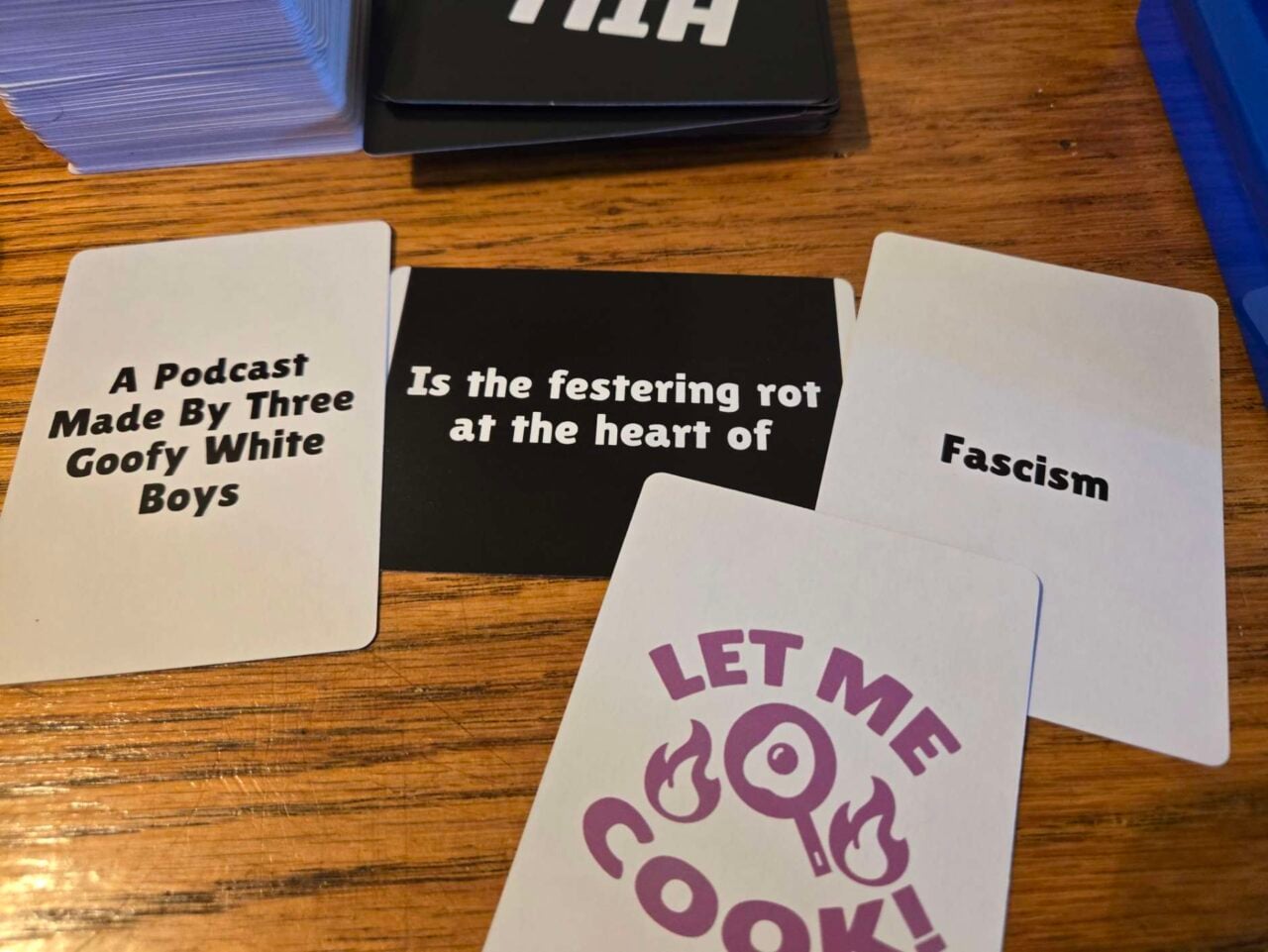
In 2026, board game designer Sam Greszes publicly accused Jackbox Games of plagiarism after the studio launched Debate and Switch, a party game bearing striking similarities to his unreleased project Die on this Hill submitted earlier. According to verified reports from Kotaku, Greszes revealed that Jackbox Games went completely silent following his formal request for a demo review of his prototype. Exactly one year after that communication cutoff, the prominent party game developer announced and subsequently launched Debate and Switch to commercial audiences. In response to mounting community backlash and intellectual property concerns across social media platforms, Jackbox representatives aggressively defended their internal creative pipeline. The studio asserted that management intentionally maintains strict firewall protocols to ensure external submissions are never shared directly with internal game development teams. Furthermore, studio executives argued that independent parallel creation occurs frequently within the entertainment industry, completely absolving their internal design teams of intentional wrongdoing. Despite these formal corporate denials, independent creators, tabletop designers, and legal experts have seized upon the high-profile controversy to demand much broader transparency standards across digital publishing and tabletop adaptation pipelines, putting intense pressure on major entertainment developers to reform how external pitches are evaluated, cataloged, and protected.