Unity Spark Vibe Coding Ai Trailer Backlash Game Development [2026 Update]
Unity reveals Unity Spark AI text-to-game generator in a polarizing promotional trailer, raising core questions across competitive esports game. Read...
The Story
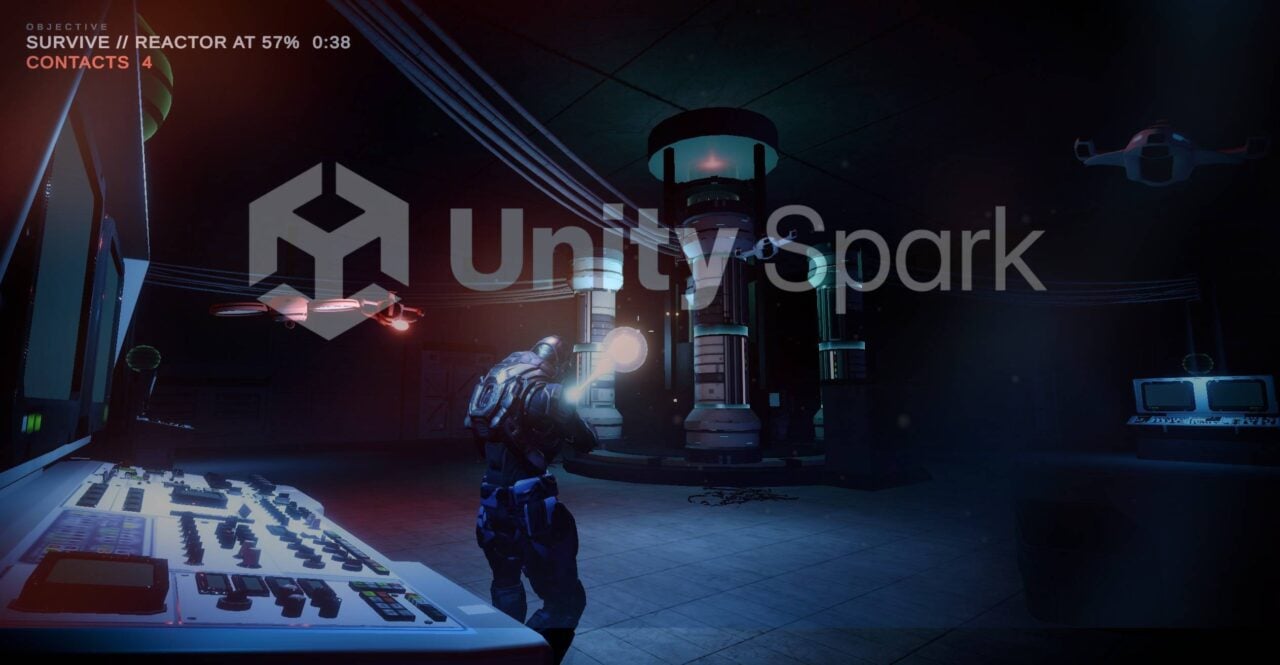
As originally reported by Kotaku, game engine titan Unity has officially unveiled Unity Spark, a controversial text-to-game artificial intelligence platform designed to enable user-prompted 'vibe coding.' The promotional demonstration featured a fictional developer named Mari using six text inputs to automatically generate asset layouts, level structures, and player controls for an action project titled Space Corridor. Spark automatically matched user prompts with pre-made environment models, station corridors, and prop assets, sparking widespread debate across the global game development community regarding production quality and creative ownership. Similar to how highlighted shifting studio labor dynamics, Unity's showcase underscores a broader technological transition toward AI-assisted workflows. Critics and industry veterans quickly condemned the campaign's trivialized depiction of game architecture, noting that procedural assembly cannot replace refined gameplay mechanics, physics tuning, or netcode optimization. Nevertheless, Unity positions Spark as an accessible gateway for rapid prototyping, enabling non-technical creators to build playable game spaces without traditional programming experience.
Strategic & Competitive Analysis
How this development impacts competitive gameplay, professional metas, and community markets.
From a competitive perspective, AI vibe coding tools like Unity Spark drastically transform early-stage esports map iteration and level design testing. Tactical shooters and arena titles rely heavily on sightlines, chokepoint geometry, and frame-rate consistency. Rapid procedural environment generation permits analysts and coaches to construct custom practice map layouts in real time to simulate specific qualification scenarios. However, the lack of hand-tuned collision grids and precise tick-rate synchronization poses major risks for tier-1 competitive integrity. Echoing community feedback seen when [Riot Postpones League Replay Restrictions After Intense Analyst and Community Backlash](/news/riot-postpones-league-of-legends-private-replay-restrictions-patch-delay) raised competitive clarity concerns, professional teams demand deterministic performance over automated shortcuts. While rookie rosters can rapidly prototype tactical drills, tier-1 esports organizations will continue relying on bespoke engine modifications to maintain precise hitbox fidelity and map balance.