Epic Games: Tim Sweeney Revisits Looking Glass Eulogy [Confirmed]
Epic Games CEO Tim Sweeney has revisited his viral 2000 Looking Glass Studios eulogy amidst industry layoffs. Read the full tactical breakdown on 217G.
Key Highlights
- Epic Games CEO Tim Sweeney revisited his controversial May 2000 eulogy regarding Looking Glass Studios after archival comments resurfaced on social media platforms.
- Modern studio closures mirror historic market corrections, forcing development teams to prioritize sustainable live-service ecosystems over high-budget single-player projects with uncertain commercial yields.
- Player migration toward resilient competitive titles keeps secondary account valuations firm between PKR 20,000 and 100,000 across verified 217G escrow trading desks.
Looking to Buy or Trade gaming industry Assets?
100% anti-scam protection, live screen verification, and instant local delivery.
The Story
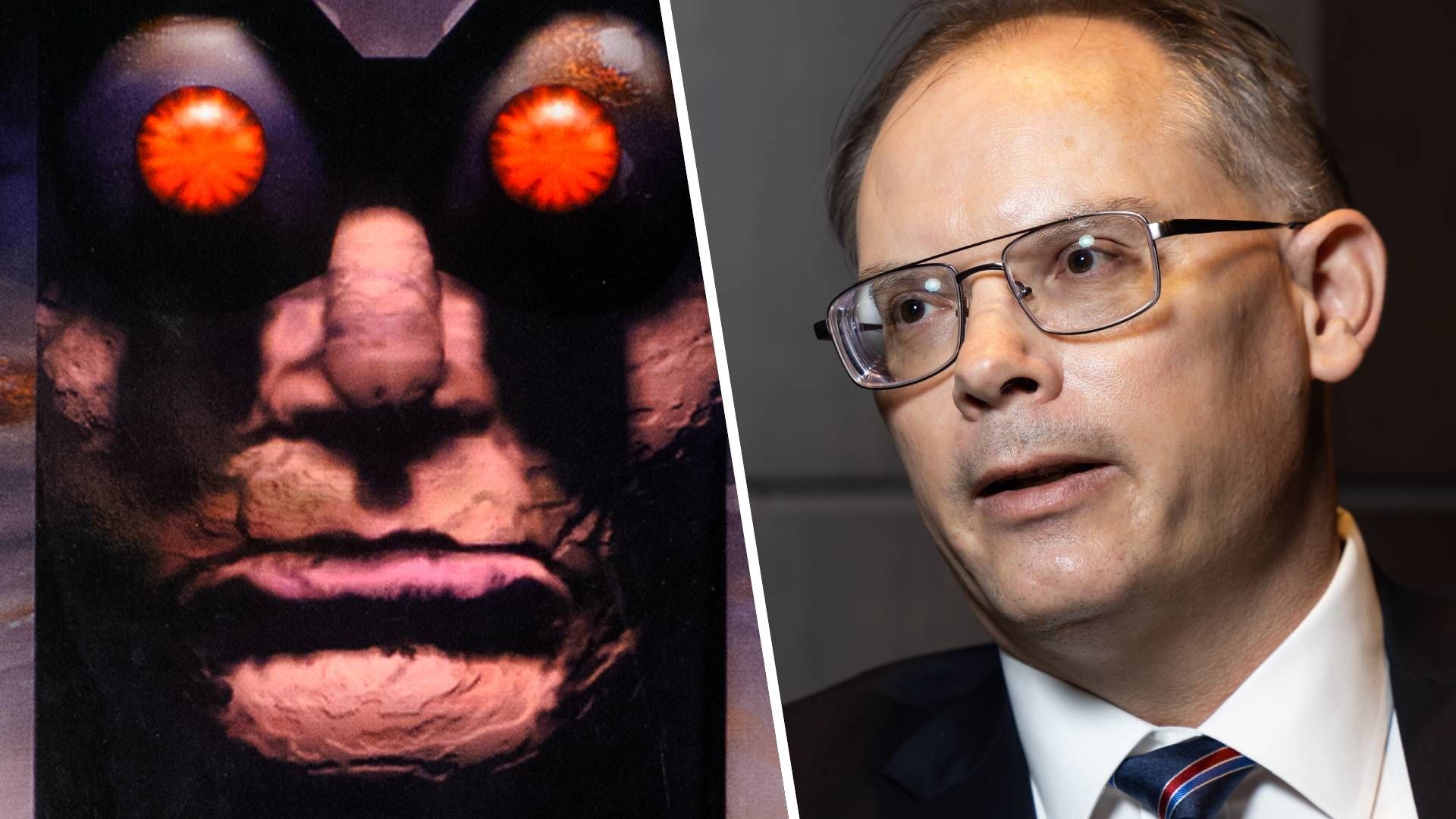
Epic Games CEO Tim Sweeney publicly revisited his infamous May 2000 eulogy regarding the collapse of Looking Glass Studios this week, acknowledging that historic industry contractions closely mirror the severe commercial restructuring currently facing mainstream video game publishers. According to verified reports from PC Gamer, Sweeney addressed his historic remarks originally penned twenty-six years ago following the shuttering of the legendary Thief and System Shock developer. In his original commentary, Sweeney famously declared that the closure was an 'economically realistic day' and likened the collapse to a comet hitting the earth and extinguishing dinosaurs that failed to build mass-market commercial appeal. As the quote resurfaced online via immersive simulation archivists, Sweeney reflected on how economic realities continue to punish studios that overspend on prestige mechanics without establishing sustainable revenue pipelines. Similar friction is seen across the industry, echoing delays like [Legend of California Delayed to 2027: Jeff Kaplan [Confirmed]](/news/legend-of-california-release-delayed-2027), where massive development costs challenge traditional studio longevity. The retrospective discussion underscores a relentless twenty-six-year cycle where uncompromising creative design frequently clashes with harsh publisher balance sheets and shifting audience demographics.
Strategic & Competitive Analysis
How this development impacts competitive gameplay, professional metas, and community markets.
The enduring relevance of Sweeney’s dinosaur analogy illustrates why competitive esports ecosystems maintain far greater structural durability than standalone single-player releases. When studio budgets face intense fiscal contractions, organizations and publishers consistently pivot resources toward proven live-service tournament circuits rather than risky narrative gambles. In competitive titles like CS2, Valorant, and mobile battle royales, gameplay loops rely on weapon balance, low time-to-kill precision, and dynamic map rotation rather than costly bespoke cinematic assets. This operational shift rewards disciplined esports rosters and tournament organizers, ensuring long-term qualification circuit stability even during broad tech downturns. While boutique development teams struggle to justify five-year production cycles without recurring revenue, live-service competitive ecosystems retain predictable broadcast viewership and sustained player engagement. As production costs escalate throughout 2026, competitive gaming platforms with robust spectator infrastructure will continue to capture the vast majority of developer support, ensuring tournament prize pools and team organizations survive commercial contractions intact.
Market turbulence across traditional gaming studios has accelerated player migration toward evergreen multiplayer economies featuring verifiable asset ownership. While closed single-player ecosystems offer zero residual liquidity once completed, premier live-service platforms foster thriving secondary marketplaces where cosmetic rarities retain consistent purchasing power. High-tier items—ranging from CS2 Doppler knives to Level 7 Glacier skins and Pharaoh X-Suits in PUBG Mobile—maintain dependable market depth, insulating player investments from individual studio shutdowns. On 217G, verified trading volumes reflect robust demand for elite competitive IDs and rare cosmetic loadouts, typically clearing between PKR 20,000 to PKR 100,000 (AED 300 to AED 1,500) based on account rank and inventory exclusivity. By utilizing 217G verified escrow protection, collectors and competitive gamers conduct seamless peer-to-peer exchanges without exposure to fraud or sudden counterparty defaults. As legacy retail games struggle under high production costs, digital asset liquidity anchored by third-party escrow remains the preferred economic vehicle for modern gamers.
As the 2026 industry calendar advances, publishers are shifting Q3 and Q4 release schedules toward lower-risk updates and proven live-service roadmaps. Major summer showcases in June 2026 will prioritize multiplayer betas and competitive ecosystem overhauls over speculative single-player titles. Expect major engine updates and esports tournament expansions to dominate publisher announcements through late 2026, cementing live-service sustainability as the primary metric for long-term commercial survival.
Frequently Asked Questions
What did Tim Sweeney say about Looking Glass Studios closing?
Tim Sweeney described Looking Glass Studios closing in 2000 as an economically realistic event rather than a tragedy, comparing it to a comet wiping out dinosaurs. He argued that the studio spent excessive money developing innovative games with niche appeal rather than building financially sustainable products for mainstream consumers.
Why did Looking Glass Studios shut down in May 2000?
Looking Glass Studios closed on May 24, 2000, primarily due to financial insolvency and publisher debt after commercial earnings failed to recoup heavy development expenses. Despite producing critically acclaimed titles like Thief and System Shock 2, the studio suffered from low sales and an inability to secure follow-up funding.
How does 217G escrow protect secondary digital skin trades?
217G verified escrow protects buyers and sellers by holding funds securely during peer-to-peer digital item transfers. Once cosmetic inventory or competitive IDs—ranging from PKR 20,000 to PKR 100,000—are verified and safely delivered, payment releases instantly, mitigating transaction fraud, account recovery scams, and chargeback risks for all participating traders.
Community Pulse & Meta Reaction
How do you evaluate this competitive development? Cast your vote:
Cite or Embed This News Report
Writing an esports recap, forum post, or YouTube description? Use the verified backlink attribution snippet below:
Need Verified gaming industry Assets?
Protect your transactions with our 100% scam-free escrow service. Browse verified PUBG Mobile Glacier accounts, Conqueror titles, and rare collections.
Related gaming industry Tactical Intelligence
We Were Here Tomorrow jigsaw pieces are hidden across tricky co-op rooms. Find all 12 collectible locations now. Read the full guide on 217G.
League of Legends pop groups K/DA and True Damage return in a stunning musical showdown. Read the full analysis on 217G market standards.
Path to Nowhere codes for October 2026 are live, offering free discoins and stamina to boost your chief level. Read the full tactical breakdown on 217G.