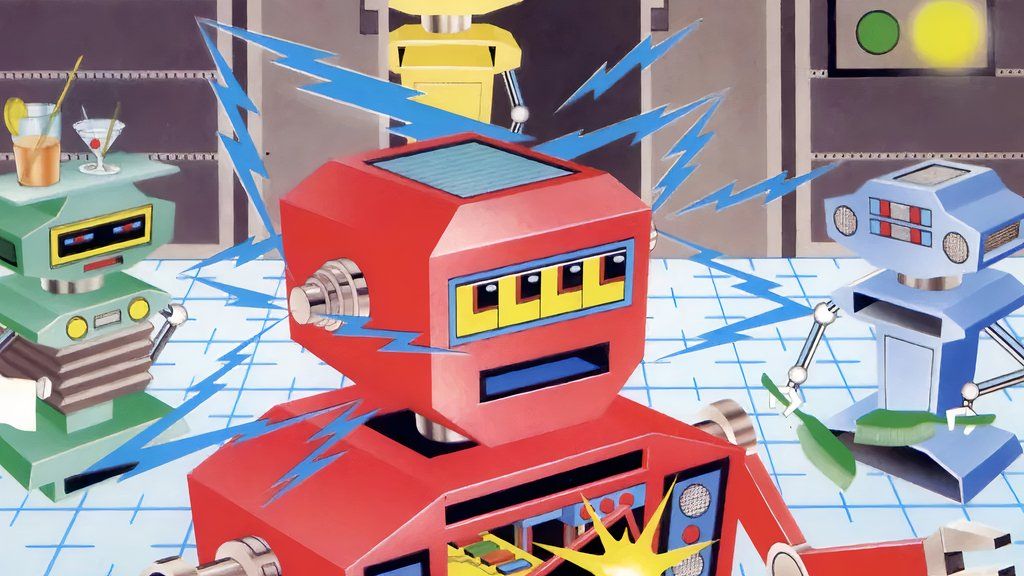
Retro 1980s games established foundational mechanics across PC and arcade systems before iconic blockbusters emerged, highlighting five overlooked masterpieces that pioneered dynamic level layouts, emergent narrative pacing, and input buffers that still govern modern competitive engineering in 2026. According to verified reports from Polygon, while landmark releases like Pac-Man, The Legend of Zelda, and Prince of Persia secured enduring global fame, innovative gems from the decade faded despite crafting brilliant mechanical blueprints. These forgotten releases laid the essential groundwork for tactical pathfinding, environmental interaction, and non-linear puzzle solving. As discussed in [Nintendo Miyamoto Gen AI Game Design: Human Role [Confirmed]](/news/miyamoto-gen-ai-game-design-future), the creative ingenuity of human designers during computing's infancy solved complex hardware bottlenecks through immaculate software feel and responsive controls. Studios throughout the late 1980s pushed microcomputers such as the Commodore 64, ZX Spectrum, and early arcade boards to their technical limits, innovating precision platforming and dynamic enemy movement routines. Today, contemporary game directors frequently dissect these forgotten vintage titles to understand pure game loop design untethered from photorealistic graphics. Polygon notes that rediscovering these five historic titles provides modern game designers and competitive players with invaluable lessons in mechanical clarity, readable animations, and spatial player communication.