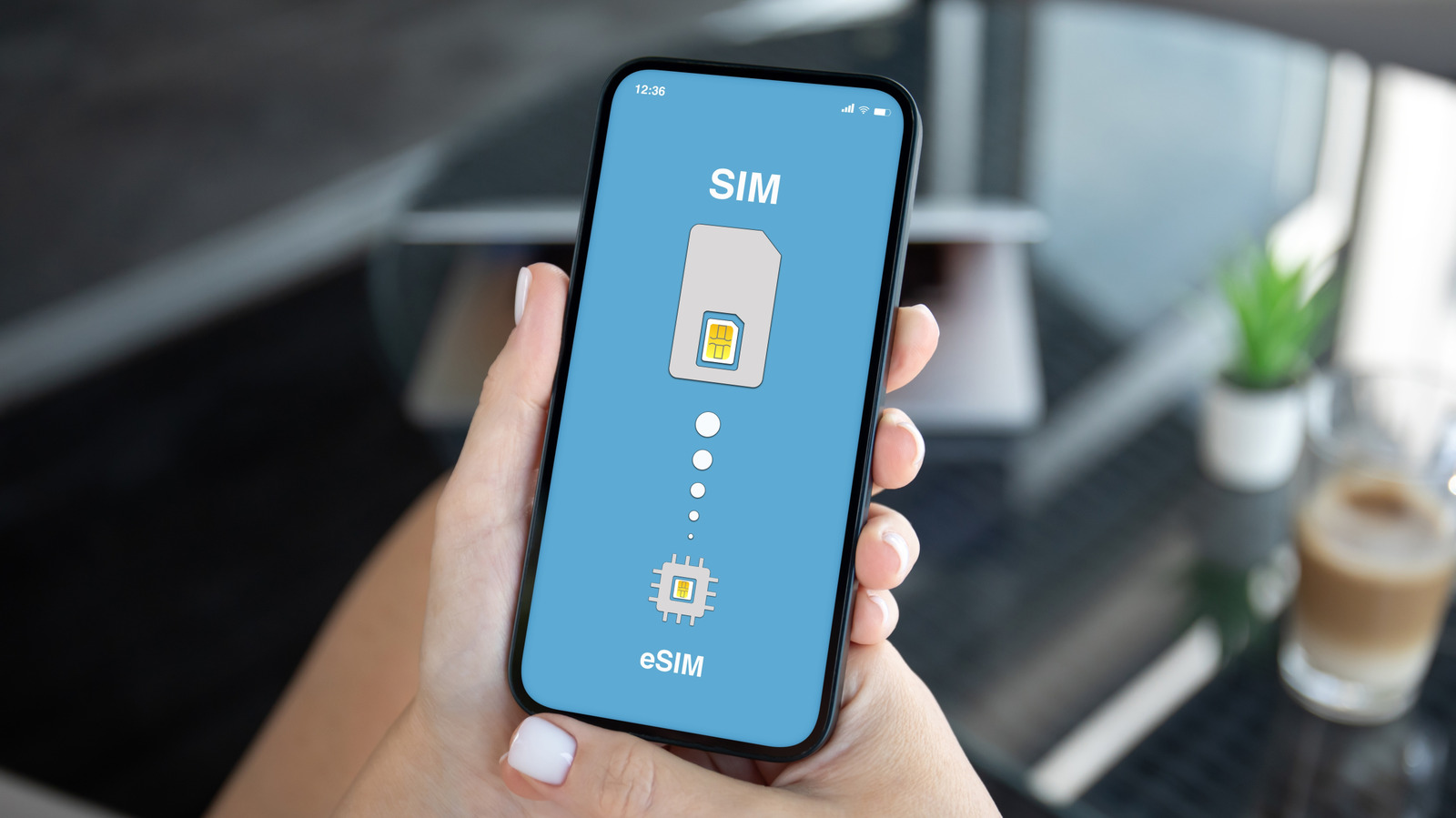
An eSIM delivers cellular reception, ping rates, and data throughput identical to a traditional physical nano-SIM card, but it replaces removable plastic trays with programmable internal smartphone hardware for instant carrier activations and flexible multi-network profiles. According to verified reports from Engadget, using an embedded digital profile introduces zero loss in baseline network performance compared to legacy physical cards. Instead, the operational contrast lies in device onboarding and multi-carrier mobility. Physical SIM cards require manual handling and pin-ejector tools, whereas eSIM profiles download directly via QR codes, telecom apps, or system setup menus. For touring mobile competitors and frequent international travelers, this architecture eliminates visits to airport retail kiosks to acquire foreign prepaid data plans. Players can easily toggle between active domestic lines and local travel profiles on compatible devices, ensuring uninterrupted data access during transit. However, device transfers present minor friction, as moving an eSIM to a backup handheld requires carrier authentication rather than simply shifting a physical plastic chip. When preparing an offline tournament battlestation or home practice hub, optimizing your router setup alongside your cellular plan prevents throttling, as detailed in our [Gaming Home Network Setup: 5 Common Mistakes to Avoid [Full Guide]](/news/gaming-home-network-setup-mistakes-guide).