Esa Urges Us Government Blacklist Pirated Retro Handhelds [2026 Update]
The ESA petitions the USTR to classify pre-loaded retro emulation handhelds as notorious markets, threatening illicit hardware supply chains. Read...
The Story
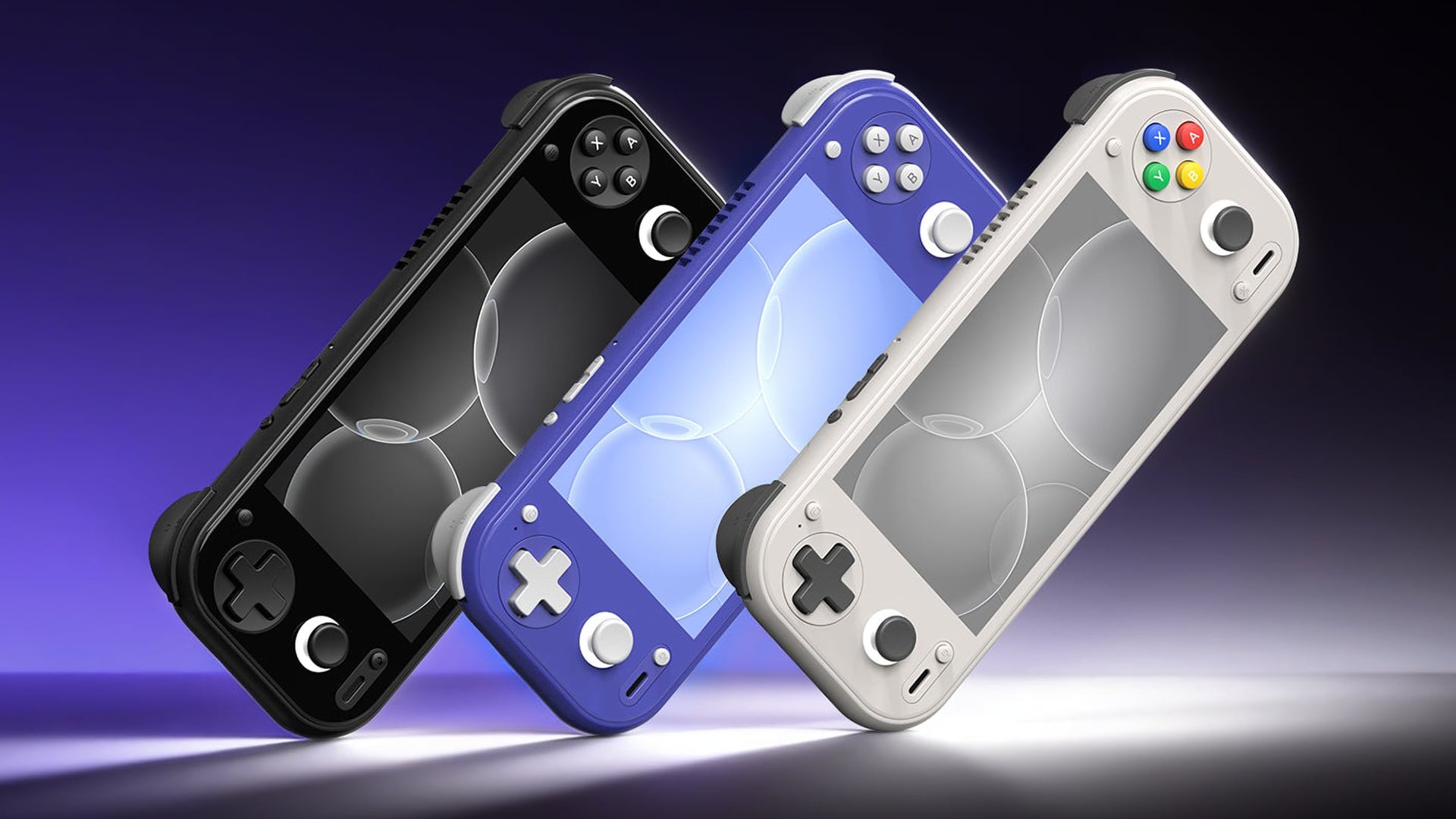
As originally reported by VGC, the Entertainment Software Association (ESA) has formally submitted a petition urging the United States Trade Representative (USTR) to designate unauthorized retro handheld gaming consoles as notorious markets. These battery-powered portable devices, manufactured primarily in unregulated overseas facilities, arrive pre-loaded with thousands of copyrighted ROM titles spanning multiple legacy console generations. The trade association, which advocates on behalf of prominent global publishers like Nintendo, Sony, and Microsoft, categorized these commercial plug-and-play emulation devices as the video game sector's direct equivalent of luxury fashion 'superfakes'. Rather than operating as neutral hobbyist hardware, the ESA stressed that commercial vendors directly monetize wholesale intellectual property theft at high volumes through mainstream global e-commerce portals. This submission highlights growing anxieties among legacy IP owners who are currently investing heavily into cloud delivery channels, retro digital compilations, and portable system hardware. While enthusiast platforms track hardware architectures much like the , corporate focus remains laser-focused on halting unlicensed hardware distribution channels.
Strategic & Competitive Analysis
How this development impacts competitive gameplay, professional metas, and community markets.
While traditional esports circuits rely on certified PC rigs and licensed mobile clients, the proliferation of pirated handhelds impacts grassroots competitive scenes and retro esports circuits, such as classic fighting game tournaments and retro speedrunning invitationals. Hardware variability, unregistered microcontrollers, and non-standard input latencies on bootleg machines compromise competitive parity, preventing grassroots organizers from adopting accessible off-the-shelf devices for local bracket play. Tournament directors running legacy circuits increasingly face supply friction when sourcing authentic hardware and verified ROM images for competitive integrity. Furthermore, official publisher backing for retro competitive circuits remains contingent on clean intellectual property compliance. If federal authorities choke off illicit hardware pipelines, amateur competitors will be funneled back toward licensed first-party platforms, standardizing input polling rates and establishing transparent competitive baselines across regional qualifiers.


