gaming industry
4h ago•Oct 25, 2026•4 min read•0 views
Dr. Phibes Cult Horror: How 70s Camp Shapes Games [Analysis]
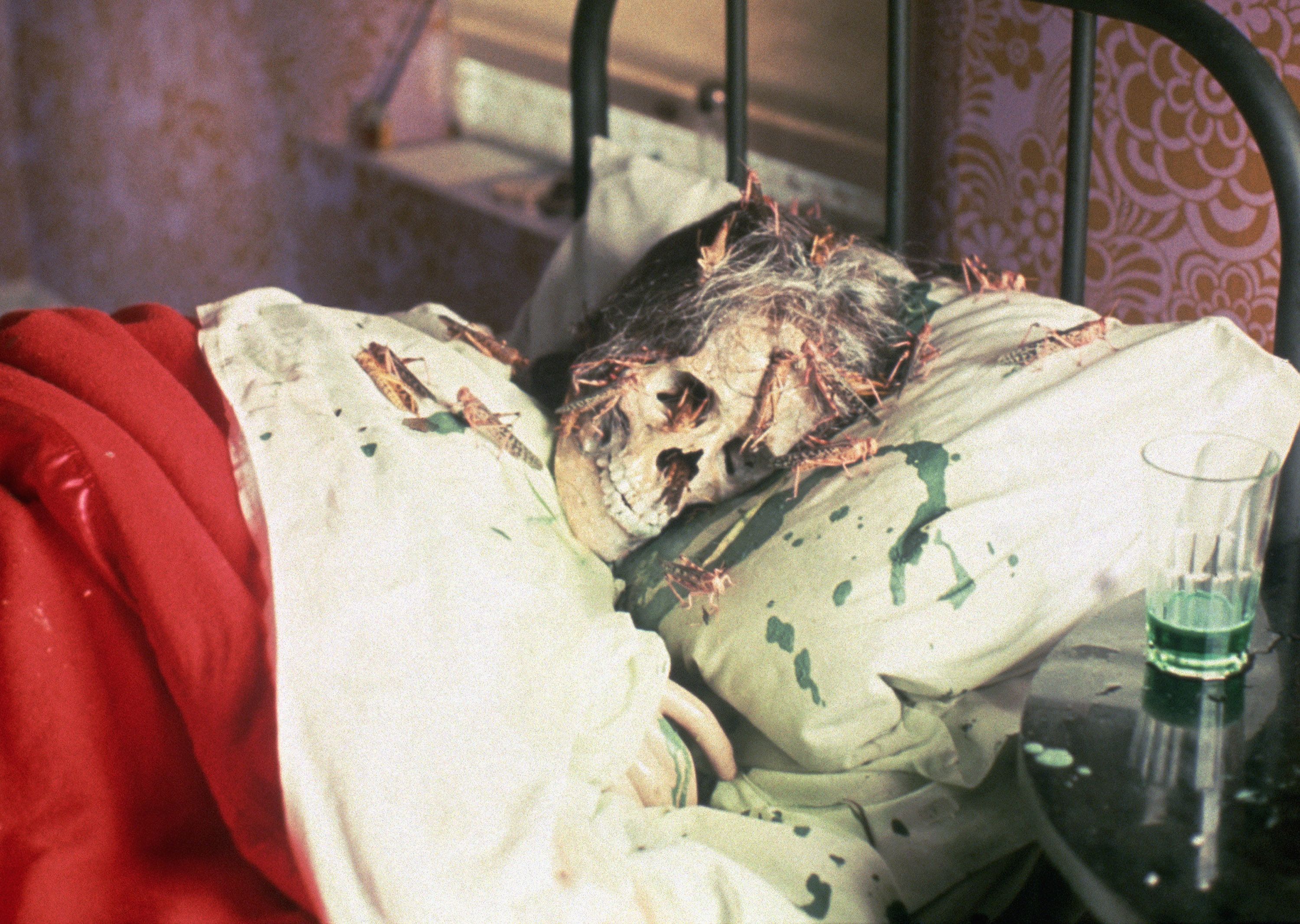
Dr. Phibes cult horror defined theatrical killers for decades. Discover how retro camp inspires horror gaming designs. Read the full breakdown on 217G.
217 Gaming Verified Dispatchgaming industry
Key Highlights
Quick Summary
- Polygon spotlights 1971 cult classic The Abominable Dr. Phibes, examining Vincent Price's silent, theatrical vengeance archetype during Halloween 2026 retrospectives.
- Asymmetrical horror titles and studio narrative designers continue adapting Fuest's campy deathtrap mechanisms into modern seasonal killer ability kits and player objectives.
- Thematic horror events drive premium seasonal battle pass sales, lifting vintage-inspired collector skin liquidity across 217G verified escrow trade channels.
🛡️