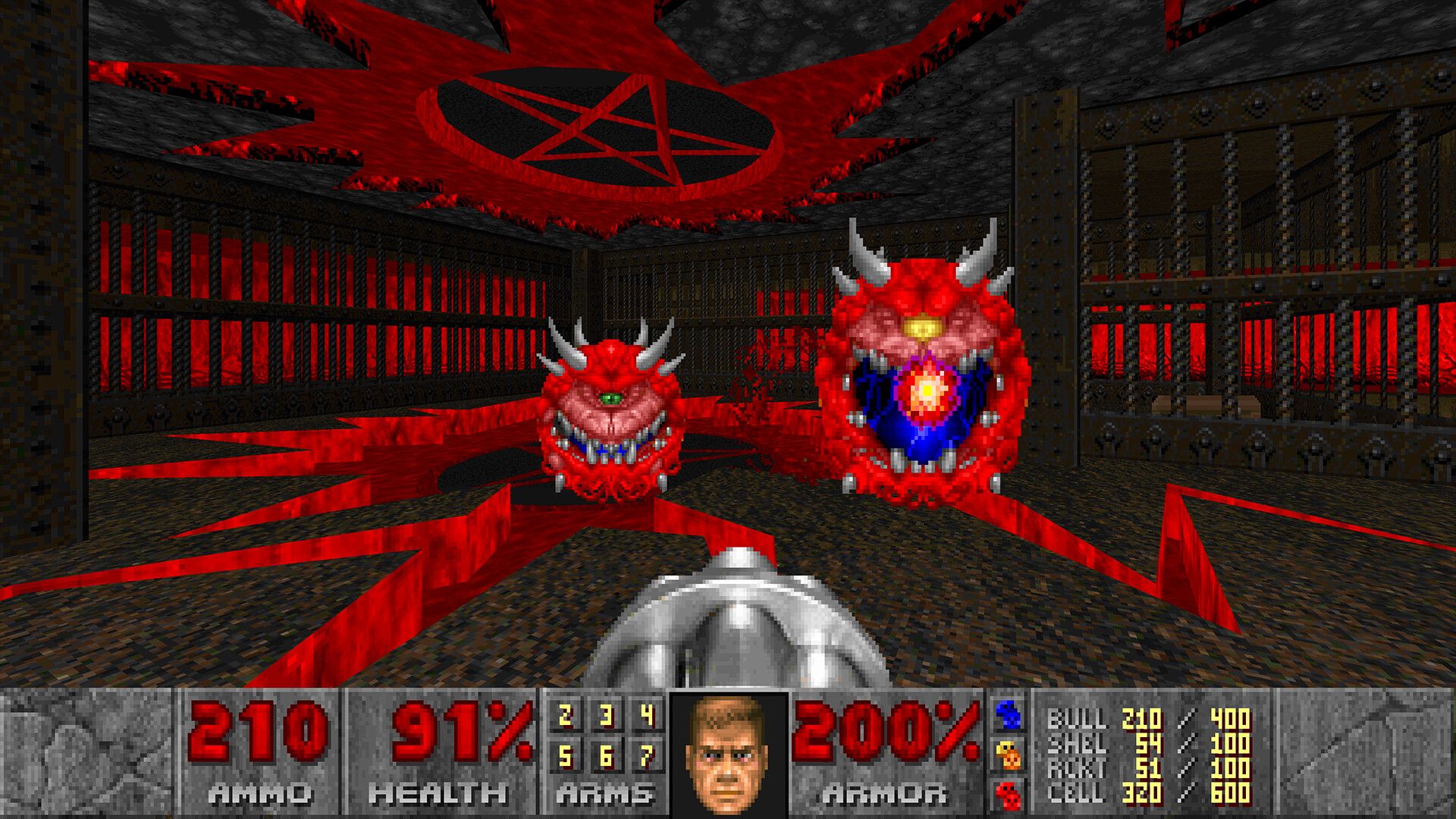
According to verified reports from PC Gamer, developer Corey Quinn has officially compiled and executed the legendary 1993 shooter Doom on a 32-bit machine utilizing a Domain Name System (DNS) database for arithmetic and memory operations. While previous experiments broke Doom down into basic DNS text records, this new breakthrough takes virtualization to unprecedented extremes. The DNS database functions dynamically as a librarian, interacting with remote infrastructure rather than performing raw computations locally, showcasing astonishing software engineering ingenuity. Technology pioneers have expressed disbelief at the project, calling the feat either deliciously horrible or horribly delicious. Such milestone experiments remind the global gaming community of the endless adaptability of classic game engines, echoing how massive tech shifts like the [GTA 6 Development Delay: Why Rockstar Took 8 Years [Confirmed]](/news/gta-6-development-delay-reasons) reshape industry perceptions. Software developers continue pushing boundaries across unexpected hardware architectures, from medical devices to network protocols. As community fascination grows around bizarre ports, hardware enthusiasts and network engineers alike are keeping a close eye on future networking experiments, anticipating even more absurd hardware and protocol adaptations throughout the upcoming year.