Doctor Who Star Wars Fandom Backlash Analysis [2026 Update]
Doctor Who showrunner Russell T Davies calls out Star Wars toxicity as sci-fi fandom leaks trigger market fallout and gaming crossover scrutiny at....
The Story
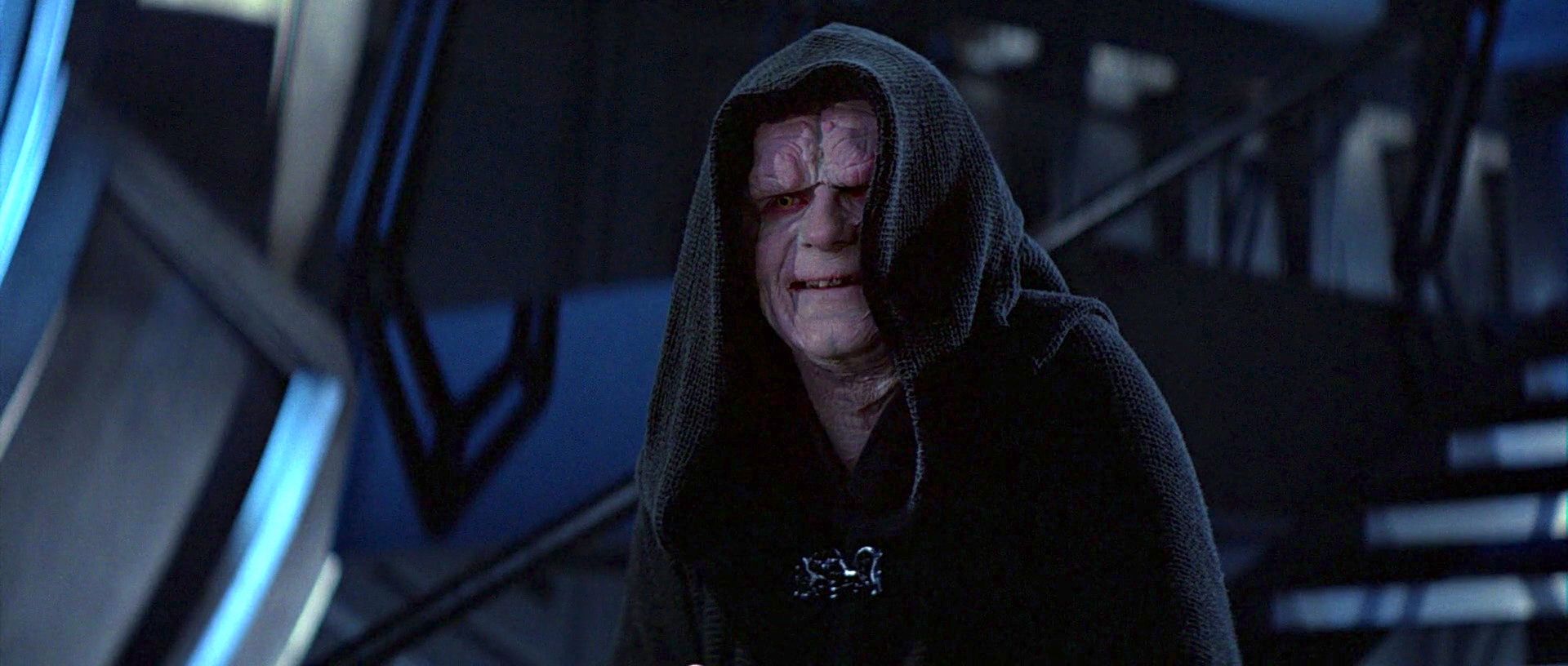
As originally reported by Polygon, Doctor Who showrunner Russell T Davies has fiercely criticized toxic online discourse, directly comparing hostility within the British sci-fi ecosystem to the polarized fan dynamics surrounding modern Star Wars properties. The controversy erupted after critical narrative details regarding the upcoming second-season finale leaked across social platforms such as TikTok and YouTube, revealing Billie Piper’s anticipated return as Rose Tyler. Rather than sparking celebratory dialogue, algorithmic aggregators amplified hostile claims alleging creative betrayal and culture war polarization. This intense friction mirrors patterns witnessed across gaming culture where external fan toxicity frequently threatens IP extensions, echoing how to navigate community demands. Industry observers emphasize that social algorithms routinely convert speculative leaks into outrage engagement farming, threatening brand longevity and alienating core demographics across interactive digital media. Davies maintained that aggressive harassment undermines artistic integrity, warning that reactive hostility inevitably damages long-term community trust.
Strategic & Competitive Analysis
How this development impacts competitive gameplay, professional metas, and community markets.
The weaponization of fandom sentiment carries direct operational consequences for competitive gaming ecosystems and collaborative live-service titles. Multi-game publishers increasingly deploy sci-fi franchises inside battle royale and tactical hero shooters, relying on balanced player sentiment to sustain in-game crossover retention. When intellectual property discourse degrades into hostility, publishers hesitate to license major franchise assets, directly restricting promotional tournament prize pools and competitive exhibition circuits. Furthermore, content creators and esports organizations competing in community-driven events must navigate volatile brand-safety guidelines. Tactical modding spheres, as seen when [GTA 5 Rick And Morty Overhaul Proves Enduring Sandbox Modding Value](/news/gta-5-rick-and-morty-modding-ecosystem-analysis), demonstrate that creative integration thrives only when grassroots player sentiment remains constructive rather than polarized by predatory engagement cycles.