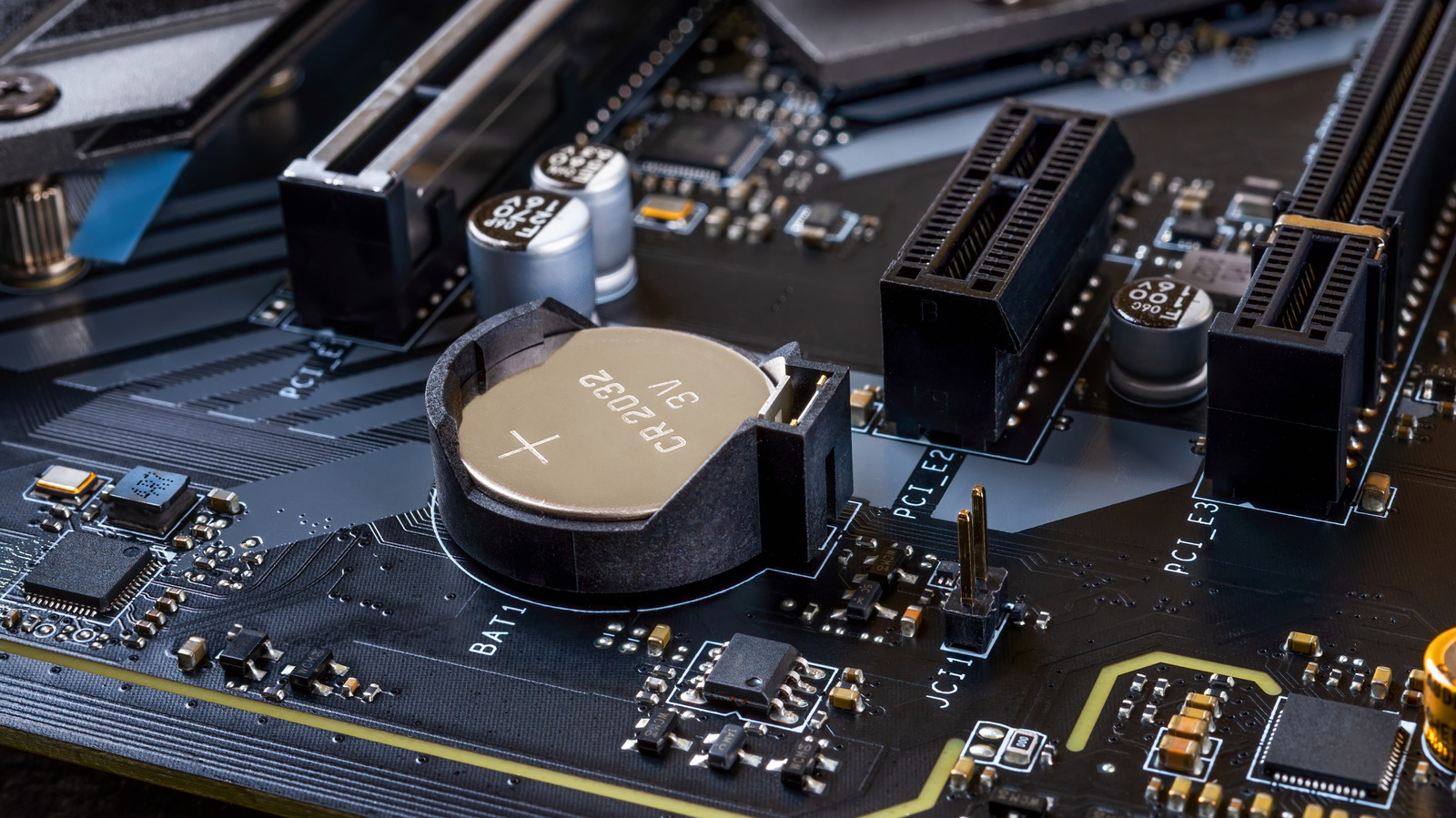
When a PC motherboard CMOS battery dies, your desktop loses the low-voltage power needed to maintain BIOS firmware configurations and hardware clock synchronization, resulting in boot sequence failures, reset memory overclocks, and corrupted system timestamps, according to verified technical reports published by Engadget. The coin-sized CR2032 or CR2025 lithium cell powers the complementary metal-oxide-semiconductor chip whenever your power supply unit is disconnected from the wall. While these micro-batteries typically last between five and ten years, an unexpected depletion immediately wipes saved UEFI settings, reverting hardware parameters back to baseline factory defaults. Beyond basic timekeeping errors, players face sudden Secure Boot disablers and credential mismatch warnings that interrupt modern digital services. Gamers who optimize systems for massive releases or configure [Baldur's Gate 3 Console Mods: 16 New Free Drops [Confirmed]](/news/baldurs-gate-3-console-mods-free) alongside modded PC clients will encounter sudden security certificate rejections. Replacing the dead battery requires an inexpensive CR2032 swap accessible directly beneath the primary PCIe slot on modern motherboards. Once swapped, users must re-enter firmware interfaces to restore boot drives and stability profiles.