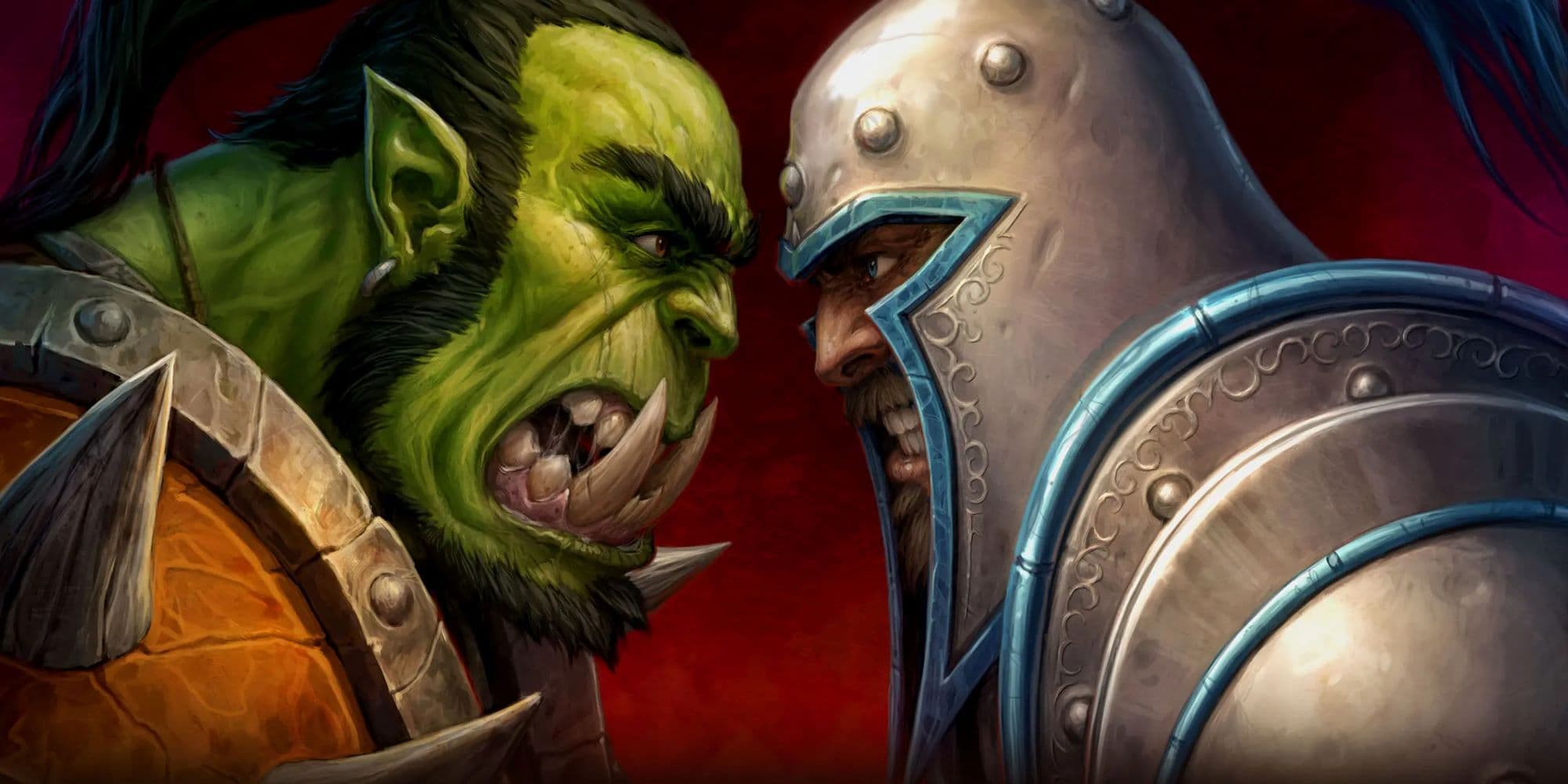
Classic real-time strategy titles are officially proving painful for modern gamers to revisit in 2026 because archaic pathfinding, non-existent automated queuing, and restrictive unit selection caps severely disrupt tactical flow when compared against refined contemporary competitive standards. According to verified reports from Game Rant, legendary genre-defining pioneers such as Dune II, Warcraft: Orcs & Humans, and the earliest iterations of Command & Conquer have aged poorly despite their immense historical pedigree. Modern strategy enthusiasts take universal quality-of-life mechanics for granted, including universal attack-move commands, smart pathing that avoids terrain choke chokepoints, and unlimited box selection. Early releases forced players to manage artificial friction, such as selecting only four units at a time or clicking individual production buildings every single build cycle. Similar to the gameplay evolution analyzed in [Open-World RPGs Ranked 2026: Top Genre Picks [Full Guide]](/news/best-open-world-rpgs-ranked-427), vintage RTS games punish modern muscle memory. As retro collections flood digital distribution platforms, newcomers realize that conquering historical campaigns demands battling clunky user interfaces rather than outsmarting cunning artificial intelligence, prompting calls for comprehensive quality-of-life remasters rather than pure raw emulation.