gaming industry
50m ago•Oct 26, 2026•4 min read•0 views
Android Sideloading Crackdown: New 24-Hour Wait Rule [Update 2026]
Android sideloading restrictions now force a 24-hour phone restart delay, but why is Google still missing this essential feature? Read the full analysis.
217 Gaming Verified Dispatchgaming industry
Key Highlights
Quick Summary
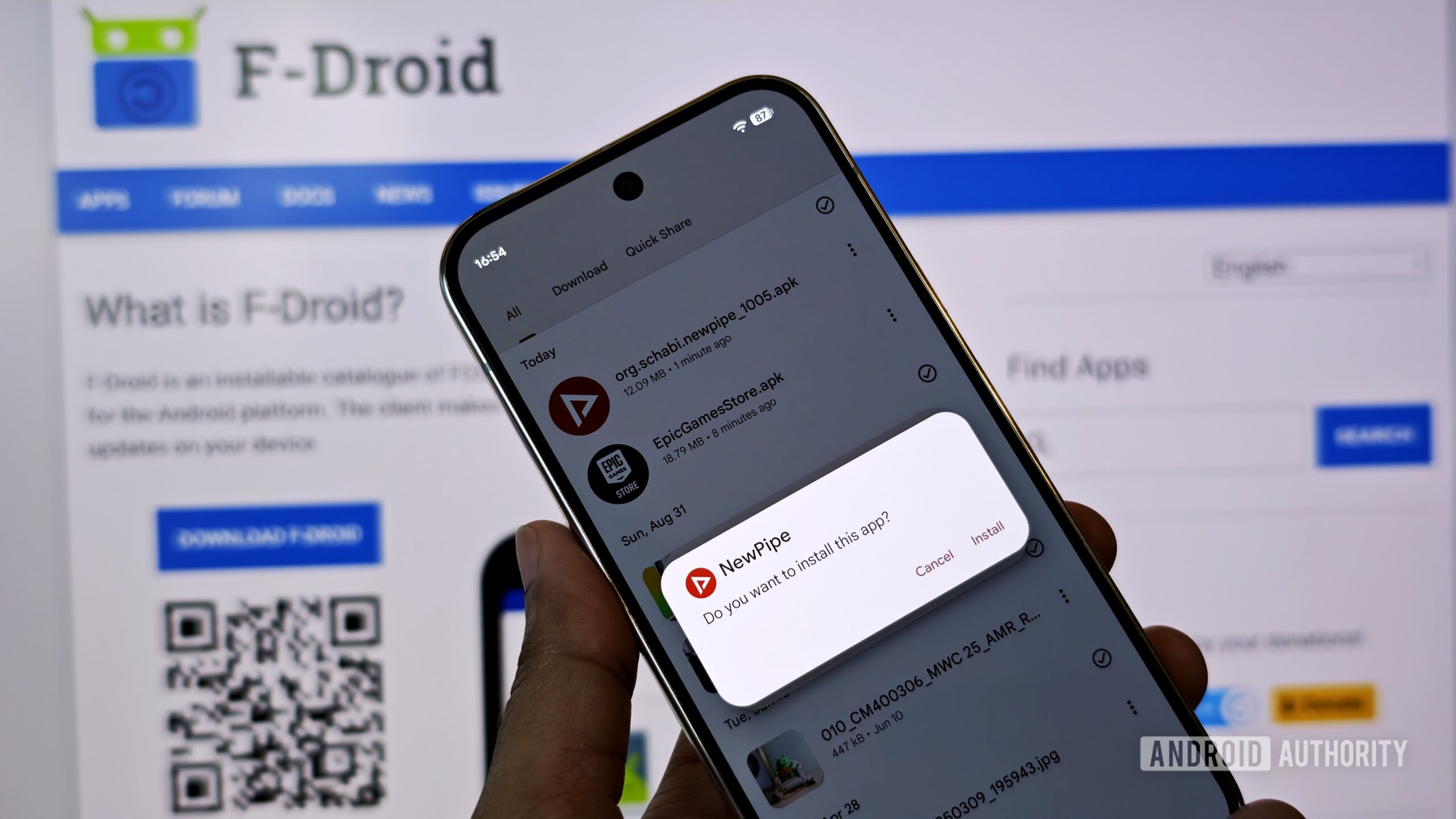
- According to verified reports from Android Authority, Google implemented stricter sideloading policies requiring a mandatory phone restart and twenty-four-hour waiting period.
- Mobile gamers and esports competitors utilizing custom APK clients face severe friction while sideloading patches, disrupting tournament practice schedules and competitive readiness.
- Secure digital asset liquidity and high-rank account trades remain protected through 217G verified escrow standards amid shifting mobile ecosystem security protocols.
🛡️