Activision Dmca Ai Browser Call Of Duty Ports Shutdown [2026 Update]
Activision issues aggressive DMCA takedowns against AI-generated browser Call of Duty ports, establishing legal boundaries for vibe coding and...

The Story
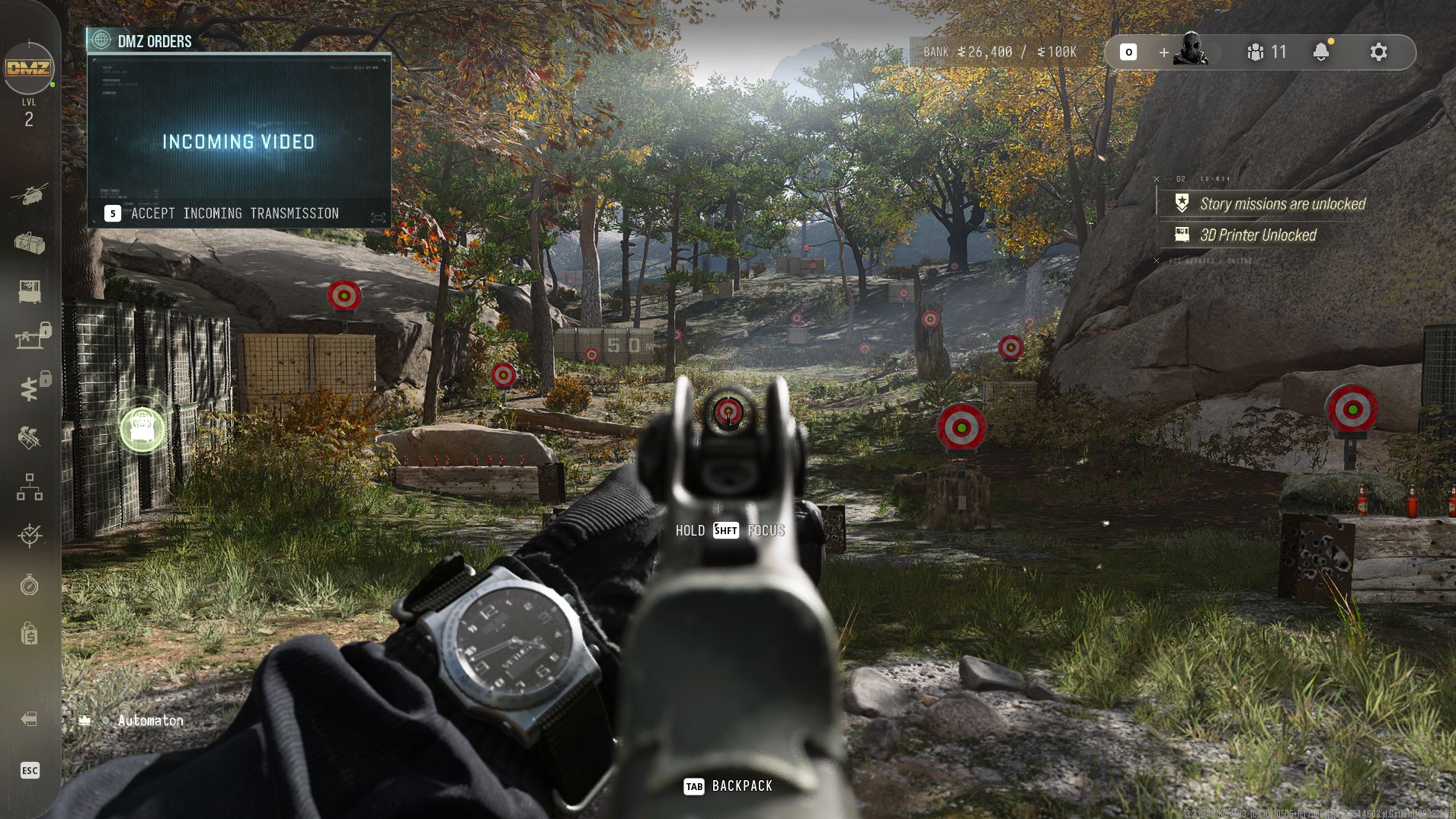
As originally reported by TalkEsport, Activision has aggressively issued Digital Millennium Copyright Act (DMCA) takedown notices targeting AI-generated browser recreations of legacy Call of Duty experiences. The experimental projects, spearheaded by independent developer Luckey Faraday, leveraged natural-language prompt engineering and generative workflows termed "vibe coding" to construct playable browser environments including "Claude of Duty: Vibe Slops II" and the iconic "Kino der Toten" zombie map. These browser-based iterations permitted users to engage with signature franchise mechanics without installing authorized software distribution packages or licensing proprietary assets. Faraday confirmed that Activision systematically removed his repository distributions and hosted builds, marking one of the earliest high-profile legal interventions against consumer-facing AI-reconstructed video game software. This swift IP defense mirrors broader entertainment friction, echoing how signaled rising institutional wariness toward autonomous generative media. By enforcing strict copyright boundaries, Activision has reiterated that code synthesized via large language models cannot bypass proprietary asset ownership, trademark exclusivity, or centralized server authentication frameworks.
Strategic & Competitive Analysis
How this development impacts competitive gameplay, professional metas, and community markets.
From an esports infrastructure perspective, unregulated browser ports pose tangible risks to competitive play integrity. Official circuits like the Call of Duty League depend heavily on standardized tick rates, calibrated weapon handling, and rigorously verified client-side telemetry to maintain competitive parity. When generative models replicate gunplay physics or map geometry without deterministic code bases, tactical muscle memory and execution timing break down. Furthermore, third-party browser emulations circumvent kernel-level anti-cheat protocols, opening unregulated vectors that compromise competitive integrity. Publisher control over game builds guarantees that aspiring professionals practice on verified map pool standards, preserving consistent qualification trajectories toward premier circuits. Unlicensed synthetic environments erode competitive baselines, reinforcing why tier-one publishers must maintain uncompromising control over competitive matchmaking architectures and sanctioned practice environments.